Beginner
Generate 100+ Facebook Ad Creatives in Minutes with Claude Code (Complete Guide + Images)
Generate 100+ Facebook Ad Creatives in Minutes with Claude Code (Complete Guide + Images)
Generate 100+ Facebook Ad Creatives in Minutes with Claude Code (Complete Guide + Images)#
(Approx. 2000+ words, written specifically for cross-border e-commerce, independent store operators, and TikTok + Instagram + Facebook Ads sellers)
In the 2026 cross-border e-commerce battlefield, traffic costs remain high.
TikTok Shop always has viral videos,
But Facebook (Meta) ads are still the core traffic source for Shopify independent store conversions.
However, we often face a problem that stumps 99% of people: not enough creative assets!
The demand for creatives is fast, and updates are frequent, so it's often impossible to update assets in time.
I personally have often experienced the following:
Just found a high-performing ad on the Meta Ads Library with great data—good CTR, CPM, and conversion rate.
Want to quickly test 20 variations of similar ads.
Variations refer to different copy, different audiences, different angles.
The traditional approach is to send requirements to a designer, wait 2-4 days to receive a few images, and then go through rounds of revisions.
Or, as I used to do, open Canva and edit them one by one. 20 variations might take about 4 hours. Too tiring.
I now run a new logic: through competitor ads + product images + brand asset kit + Claude Code, I built an ad generator.
It can produce 100 ad creatives in minutes that match brand content, brand tone, and target different user personas.
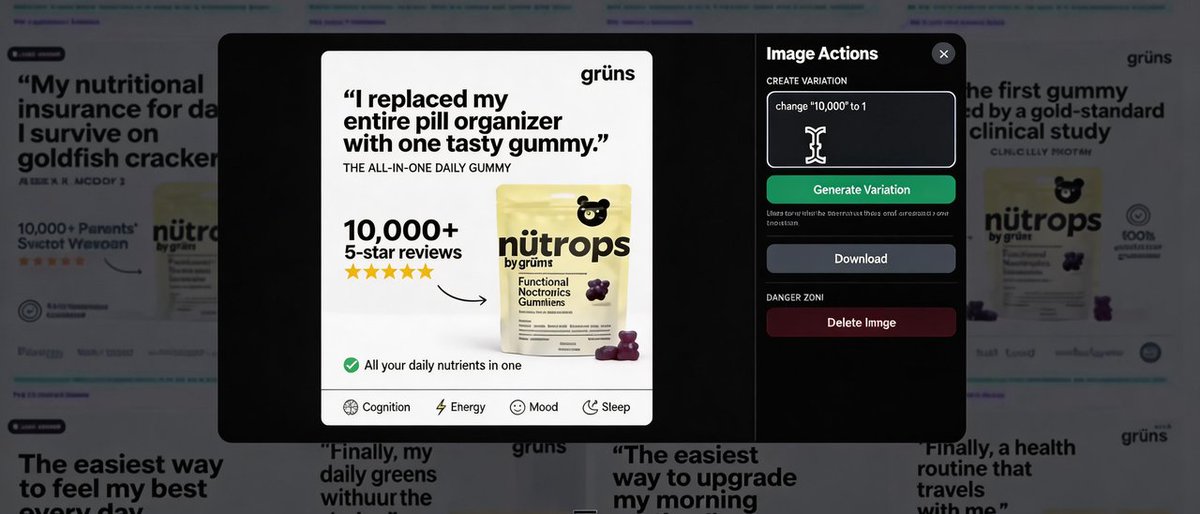
It doesn't require much code and can directly solve graphic ad content needs for DTC brands, Shopify, independent stores, Instagram, Pinterest, and other multi-platform campaigns.
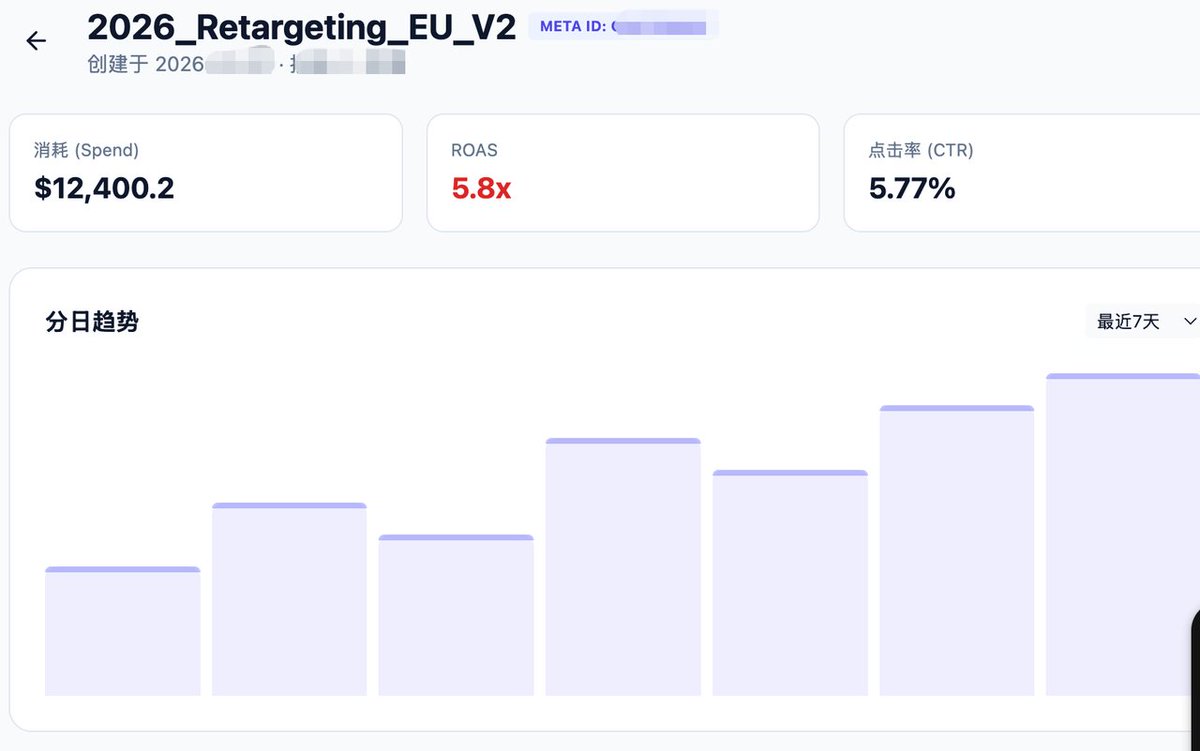
Today, I'm breaking down my workflow into a 2000-word practical guide, complete with processes, application cases, and full prompt content.
1. Facebook Ads in 2026: Creative Speed = Survival Speed#
Meta official and industry reports show:
- Creative fatigue period has shortened to 5-14 days. After a single creative set frequency exceeds 3 times, CPA increases by an average of 15-30%.
- Large-scale DTC brands need 50-100 new static/video creatives weekly to maintain ROAS ≥ 3.0.
- Shopify independent store sellers especially rely on Facebook for precise conversions. After TikTok Shop drives traffic, static ads are needed to "nurture orders."
- Without enough creative variations, the algorithm reduces delivery volume, leading to a "winner-takes-all" scenario—brands that test quickly scale fast, while others burn money on trial and error.
Simple understanding: More creatives, more creatives, frequent updates to creatives, frequent updates to ideas.
Traditional bottlenecks summarized:
- Designer dependency: High cost, long cycles.
- Manual work: Low efficiency, poor consistency.
- Generic copy: "Buy Now," "Limited Time Offer" are all the same, unable to resonate with different persona groups.
- Brand kit chaos: Severe style drift when managing multiple brands/clients.
Anyone who has had ad creative needs will know exactly how painful the above four points can be.
2. Claude Code + Artifacts Can Directly Let You Build an Ad Creative Generator#
Simple understanding of Claude Code: A built-in AI programming tool that can turn anything you want to make into reality through conversation.
Simple logic: Through Claude + Artifacts, directly turn ideas into reality.
Therefore, you can use this to directly build an ad generation tool.
The image below is the official explanation of Artifacts.

Core Advantages of My Logic (Compared to Other Tool Combinations):#
- Long context + strong visual understanding: Can accurately analyze competitor ad layouts, color psychology, and text hierarchy.
- Top-tier brand voice consistency: Generated copy is more natural and human-like. 80% of marketers have shifted to Claude for customer-facing content in 2026.
- All-in-one: Image analysis + Persona generation + Copy + Layout + Export, all completed in the same interface.
- Template saving: Brand kits and customer persona libraries are permanently reusable. Next time, just swap product images for batch generation.
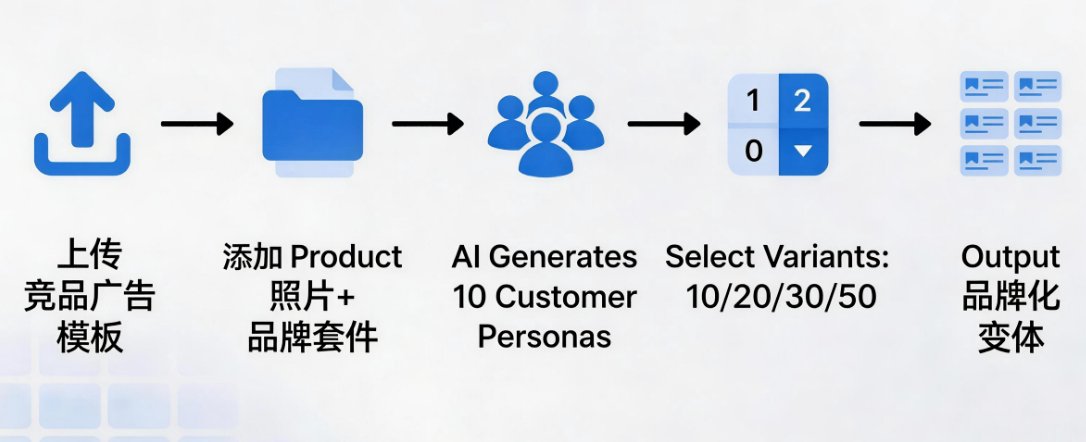
3. Complete 5-Step Workflow (5 Minutes to Get Started, Zero Code Required)#

Step 1: Prepare Input Materials
- Prepare good creative images from yourself/competitors.
- High-definition product images (1-5 images, multiple angles, lifestyle scenes).
- Brand kit (color HEX codes, font names, Logo, brand voice description, e.g., "Warm, professional, empowering busy moms").
Step 2: Upload and Let AI Analyze Template
Create a new Artifacts project in Claude, upload competitor images. Core prompt (copy and use directly):
> Act as a senior DTC ad creative director.
> Analyze the uploaded competitor ad: extract layout structure (hero image ratio, text blocks, CTA position), color psychology, font hierarchy, emotional tone, and winning elements.
> Save as 'reference_template'.
Step 3: Inject Brand & Product + AI Generate Customer Personas
After uploading your materials, continue with the prompt:
> “Here is my brand kit: Primary color #FF6B00, Font: Inter Bold for headlines, Brand voice: empowering yet approachable for busy professionals.
> Product photos uploaded.
> Now generate 10 detailed customer personas based on a skincare DTC brand targeting 25-45yo women, including age, pain points, motivations, preferred messaging style.” (Customize as needed)
AI will output 10 high-quality Personas (e.g., "25-30-year-old urban white-collar worker: high stress, dull skin, seeks fast, visible results").
Step 4: Select Quantity, Generate Variations with One Click
Prompt:
> Using the reference_template, my product photos, and the 10 personas, generate 25 ad variations.
> For each: replicate layout, replace with my product, tailor headline/body/CTA to the specific persona pain points.
> Keep 100% brand consistency.
> Output as ready-to-use image descriptions + full copy.
Within minutes, you get 25 complete variations.
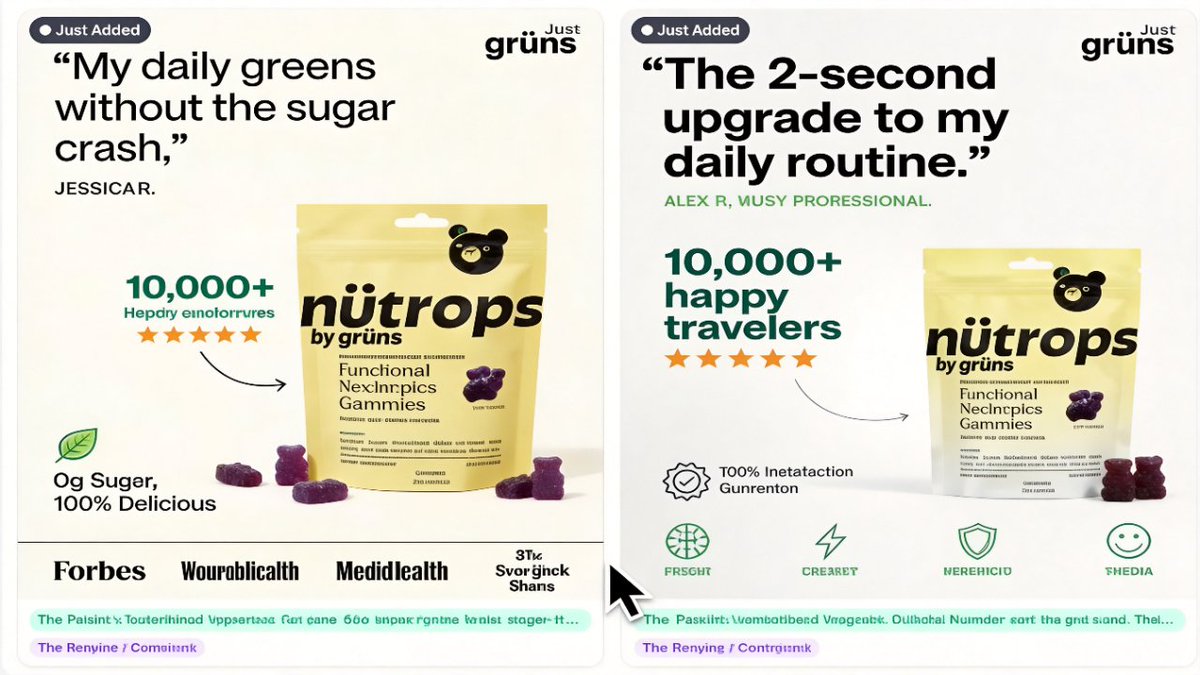
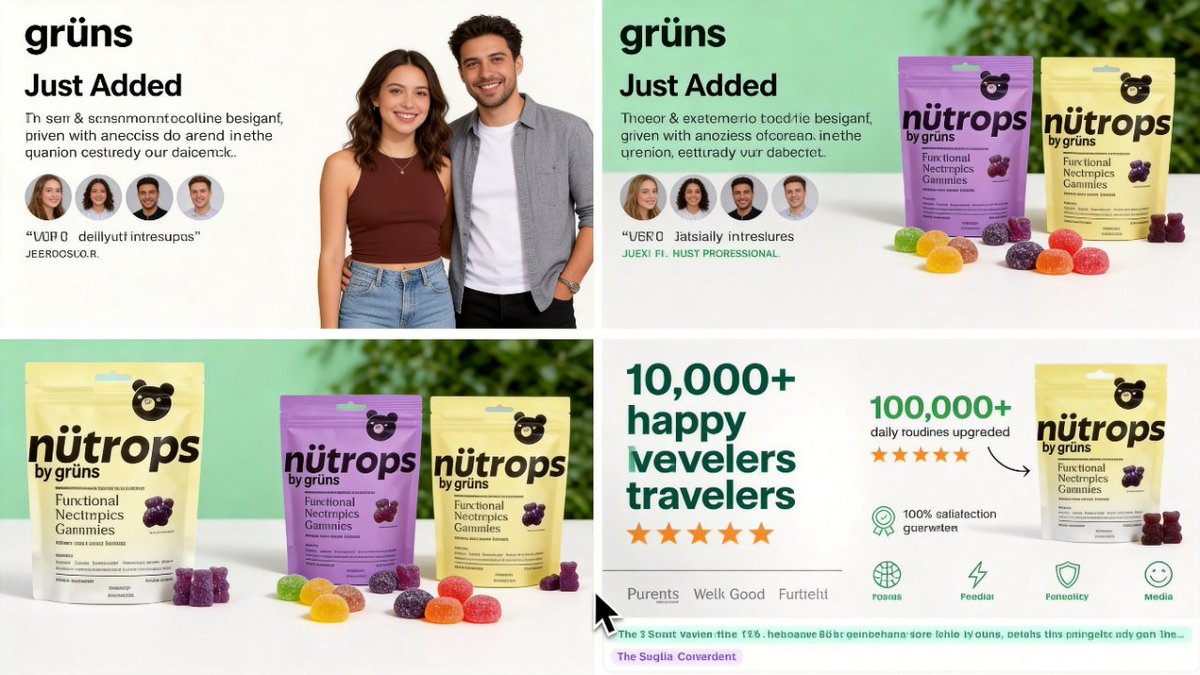
Step 5: Preview, Export, Go Live
- Preview all ads (can integrate with image generation).
- One-click export to PNG + copy JSON.
- Directly import into Meta Ads Manager for testing.
The entire process takes no more than 15 minutes at its slowest.
Feels amazing.
4. Case Study: Skincare DTC Brand#
Assume you are a Shopify store owner selling organic serums, with monthly sales of $50k.
You found a competitor's "30-day results" before-and-after ad.
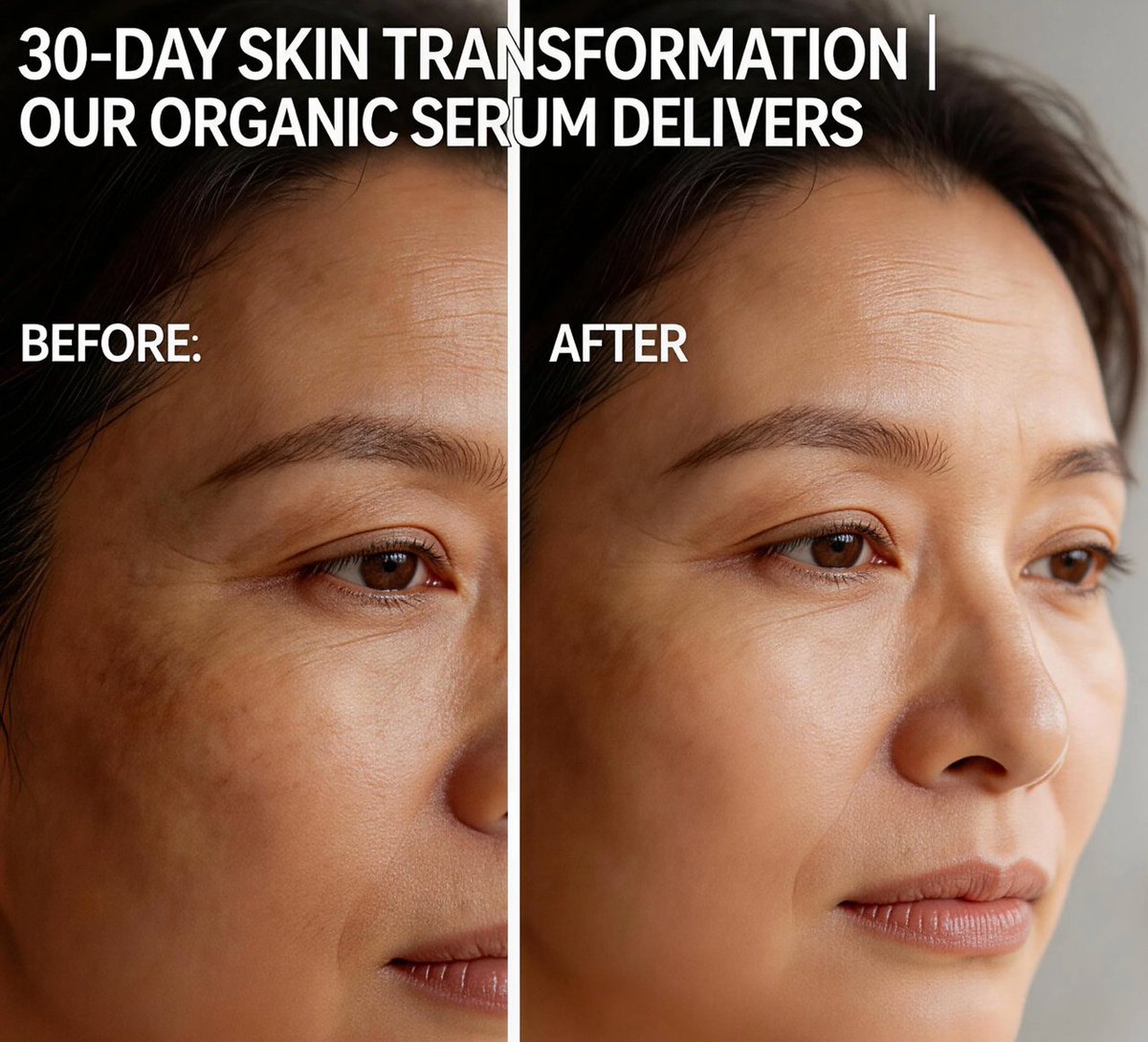
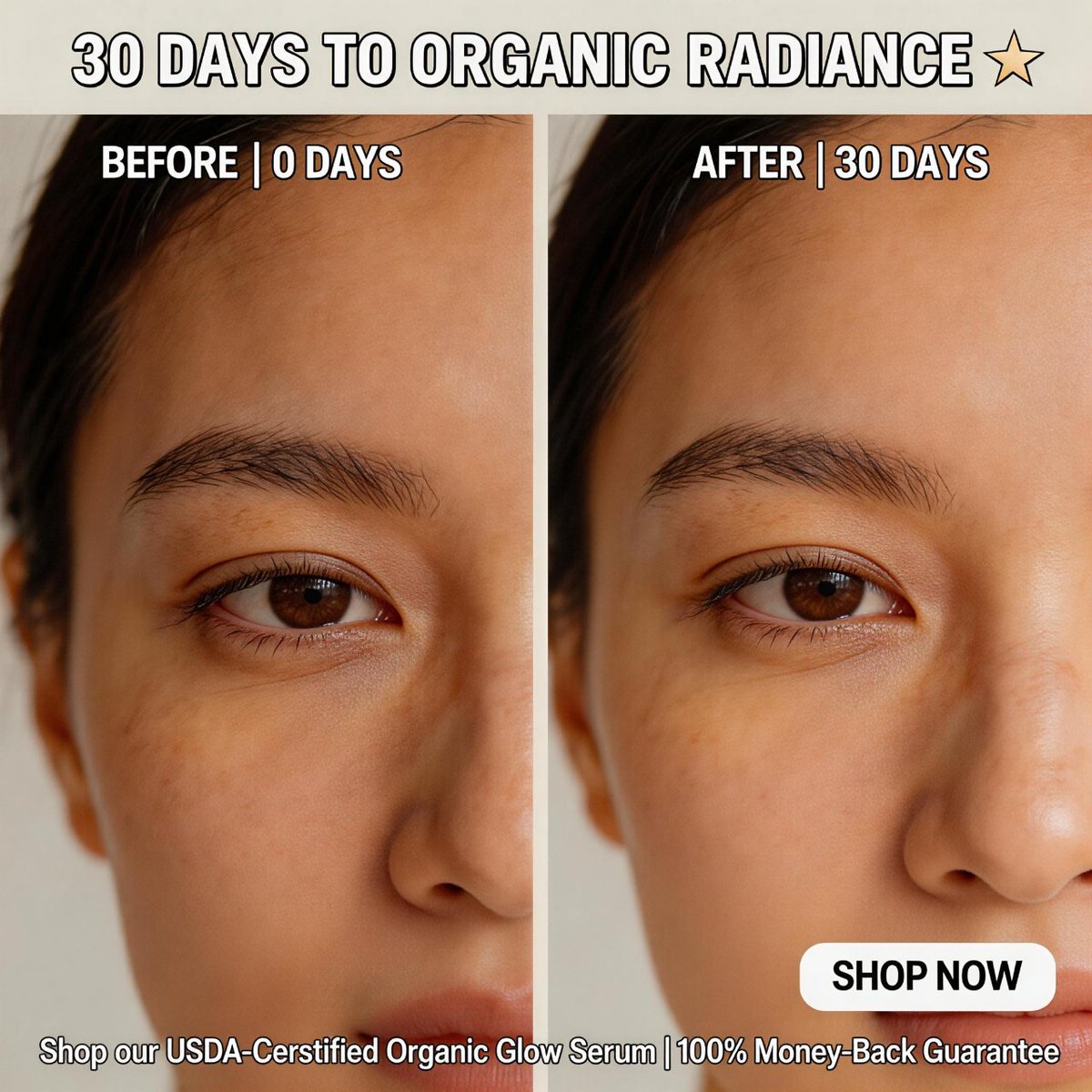
After using the tool:
- Generated 25 variations, different scenarios, different materials, different strategies, all output with one click.
Just keep uploading creatives like crazy.
Hand-Fed Prompts!!#
Below are the Claude Code prompt contents I've iterated over dozens of versions.
Includes advanced techniques: Persona psychology application, ad compliance checks, A/B testing suggestions, etc.
- Core Prompt 1: Generate 20-50 Variations with One Click
> You are the world's top DTC brand Facebook ad creative director, with 12 years of experience managing Meta ads for 8-figure e-commerce brands. You are proficient in ad psychology, customer persona building, brand voice consistency, and Meta ad policies.
>
> Task: Based on the uploaded high-performing competitor ad, generate [Enter quantity, e.g., 25] high-quality static Facebook ad variations for me.
>
> Provided materials:
> Competitor high-performance ad screenshot (uploaded)
> My product high-definition photos (uploaded, multiple angles)
> Brand kit: Brand name: [Fill], Brand core tone: [Fill, e.g., warm professional, young trendy], Primary color: [Fill HEX], Font: [Fill], Brand voice description: [Fill in detail]
>
> Requirements:
> First, deeply analyze the successful elements of the competitor ad: layout structure, visual focus, color psychology, emotional triggers, and copy framework.
> Use advanced psychology methods to generate 8-12 detailed customer personas (Personas), including: demographics, psychographics, Jobs-to-be-Done, core pain points, emotional desires, purchase triggers. Must be specific and realistic.
> For each ad variation:
> Strictly retain the competitor's proven effective layout structure, but replace with my product and brand assets.
> Copy precisely targets a specific Persona's deepest pain points and desires.
> Maintain 100% brand voice and visual consistency.
> Use powerful but fully compliant language (strictly prohibit false promises, guaranteed results, medical before/after comparisons, and other Meta-prohibited content).
> Appropriately incorporate social proof or authority elements.
> For each variation, output the following:
> Target Persona name
> Complete ad copy (Primary Text + Headline + Description + CTA button suggestion)
> Detailed description of visual presentation direction
> Psychological reason why this variation is effective
> A/B testing hypothesis (what variable is being tested)
> Finally, provide a Top 5 recommended variation ranking, along with testing priority and budget suggestions.
> Ensure all copy is natural, emotional, benefit-driven, and 100% Meta compliant. Begin now.
- Customer Persona Psychology Generation Prompt:
> As a consumer psychology expert, use the Pain-Agitate-Solution framework + Emotional Hierarchy Theory + Jobs-to-be-Done to generate 10 highly specific customer personas for [Your category, e.g., organic skincare]. Each persona must include age, occupation, life scenario, core pain points, hidden emotional needs, purchase motivations, and most effective copy trigger words.
- Ad Compliance + Optimization + A/B Testing Prompt:
> Check if all the above generated ad copies are fully compliant with 2026 Meta ad policies. List any potential risks and provide compliant optimized versions. Also, suggest 3 different A/B testing directions (emotional appeal vs. rational benefit, different pain point intensities, CTA strength differences), including each test's hypothesis, expected impact, budget allocation suggestions, and success/termination criteria.
Final Summary:#
Use prompts in order 1 → 2 → 3 to quickly generate a large number of ads.
Immediately use Prompt 3 after generation to check compliance and get a testing plan.
Recommend starting with a small budget test ($50-100) using 10-15 variations.
If you've read this far and think it's decent,
Please like, comment, share, and save to show your support.
Much love~