Beginner
The AI Engineer Learning Path
The AI Engineer Learning Path
A practical roadmap on what to learn, in what order, based on real-world demand across ~2000 job descriptions.
If you’re trying to break into AI engineering (not just ML theory), this is the path that actually maps to how systems are built in production.
The Core: 20% Skills That Drive 80% of the Work#
This is the part most people get wrong.
AI engineering is not about training models from scratch. It’s about building systems around LLMs.
- LLM Fundamentals
Start here. Everything builds on this.
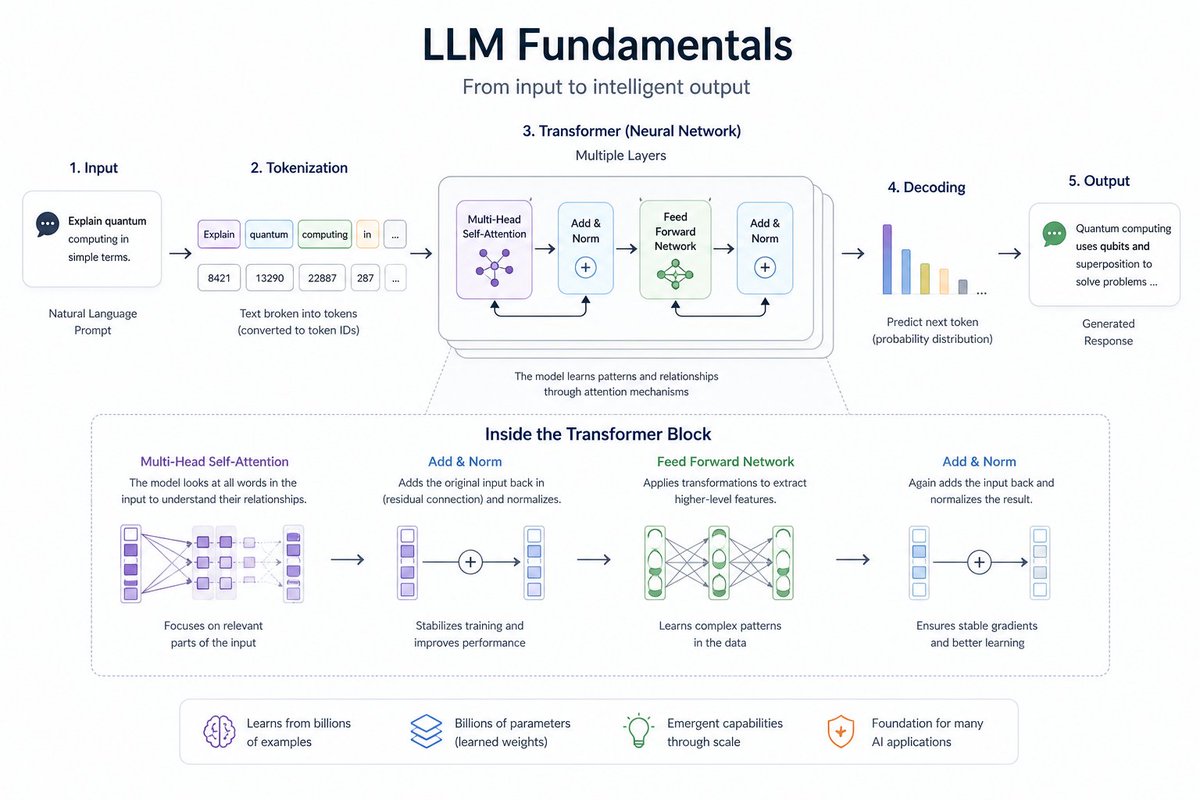
- How LLMs work (at a high level)
- What they’re good at vs where they fail
- Working with APIs like OpenAI and Anthropic
- Structured outputs (JSON, schemas, tool responses)
- Prompt engineering across different tasks
Goal: Move from “chatting with models” to controlling them predictably
- RAG (Retrieval-Augmented Generation)
This is the backbone of most real-world AI systems.
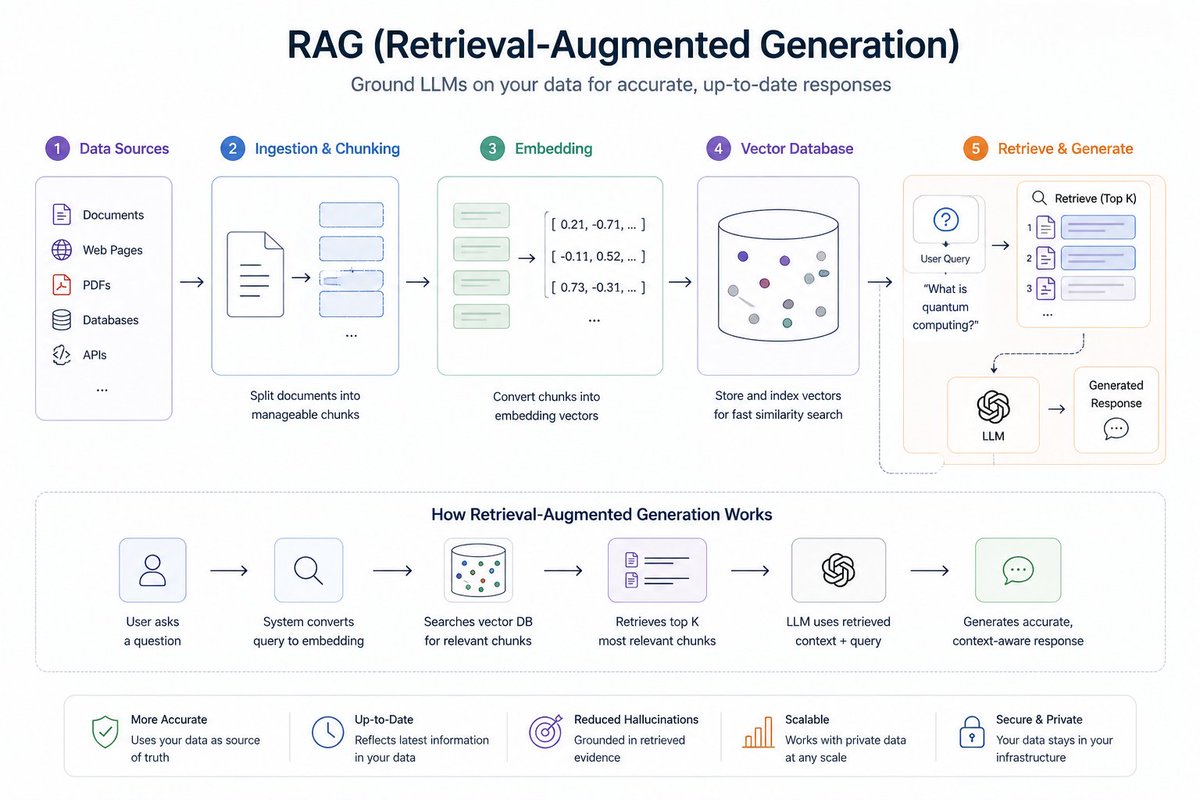
- Injecting custom data into LLMs
- Vector search + semantic retrieval
- Tools like Elasticsearch, Qdrant
- Chunking strategies (this matters more than people think)
- Handling real data: PDFs, web pages, transcripts
👉 Practice projects:
- FAQ assistant
- Document Q&A system
- Internal knowledge search
- AI Agents
This is where things get interesting—and messy.

- Tool calling (LLMs that can act, not just respond)
- Agent loop: thinkact → observe → repeat
- Frameworks: LangChain, PydanticAI, OpenAI Agents SDK, Google ADK
- Model Context Protocol (MCP)
- Multi-agent systems (routing, coordination, pipelines)
👉 Practice projects:
- Web research agent
- Data extraction pipeline
- Multi-agent workflow
- Testing AI Systems
Underrated, but critical.
- Testing tool usage and outputs
- Evaluating consistency
- Using LLMs as judges (yes, meta—but useful)
👉 Goal: Make AI systems reliable, not just impressive
- Monitoring & Observability
If you can’t see what your system is doing, you can’t fix it.

- Tracing agent workflows
- Logging interactions
- Cost tracking
- Feedback loops
- Dashboards (Grafana, OpenTelemetry)
👉 Real-world impact: This is what separates demos from production systems
- Evaluation
Most engineers skip this—and it shows.
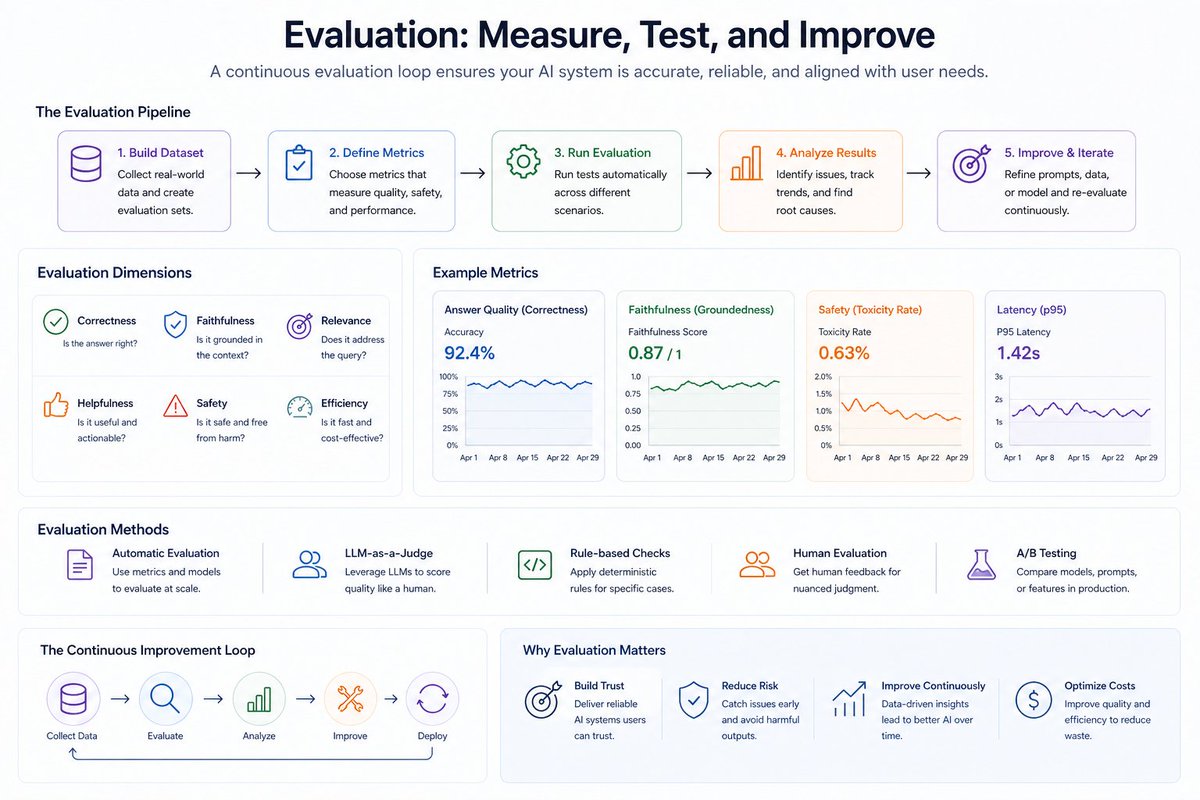
- Offline eval datasets
- Measuring retrieval quality
- Synthetic data generation
- Prompt optimization based on results
👉 Goal: Move from “it feels good” → it’s measurable
- Production Systems
This is where AI engineers become valuable.
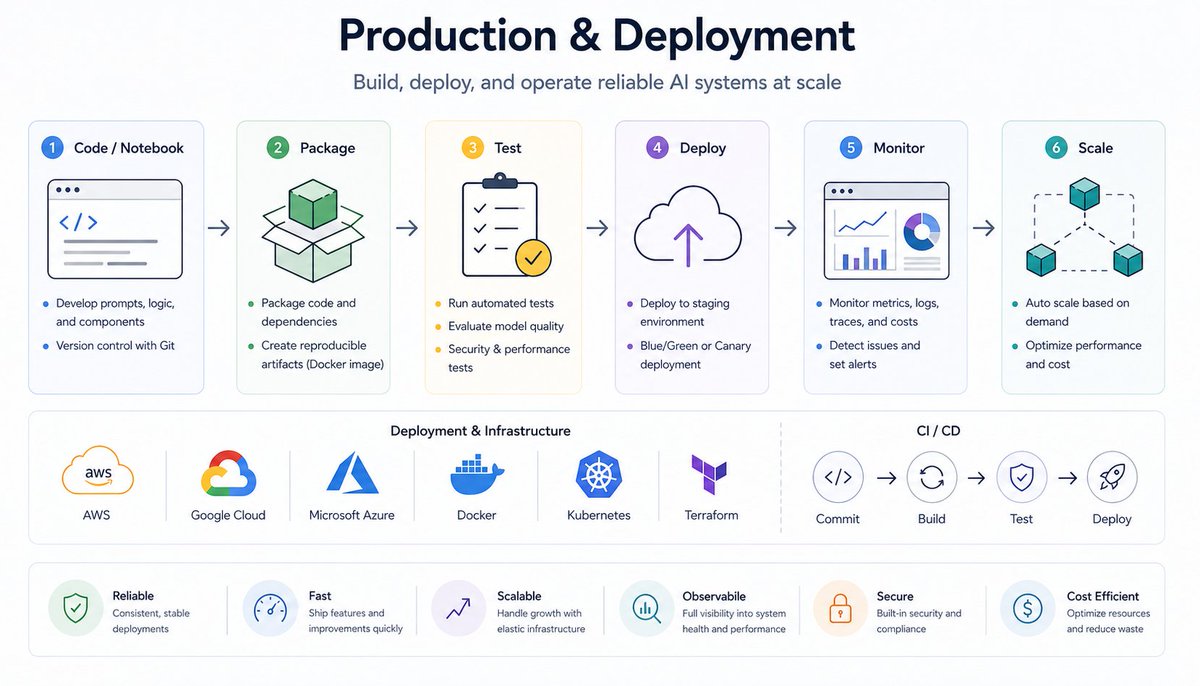
- Turning notebooks into real services
- Deployment (Streamlit for quick prototypes)
- Cloud platforms: AWS / GCP / Azure
- Guardrails and safety layers
- Parallel processing for scale
The Supporting Skills (What Job Descriptions Actually Ask For)#
These aren’t optional—they show up everywhere.
Python & Engineering Basics
- Python (used in ~80%+ roles)
- Testing, CI/CD, code quality
- Git workflows
Web Development (For Real Products)
- FastAPI (backend standard for AI apps)
- React / Next.js (frontend layer)
- APIs: REST / GraphQL
Cloud & Infrastructure
- At least one: AWS, GCP, or Azure
- Docker (non-negotiable)
- Kubernetes (for scale)
- Terraform (infra as code)
Databases
- PostgreSQL (default choice)
- Vector DBs: Pinecone, Weaviate, Qdrant, pgvector
- Redis (caching, sessions)
ML Fundamentals (Just Enough)
You don’t need to be a researcher—but you need context.
- PyTorch basics
- Embeddings (very important)
- Fine-tuning (when APIs aren’t enough)
- Model evaluation basics
Data Engineering
- ETL pipelines
- Airflow, Spark, Kafka
- Tools like Databricks, Snowflake
Languages Beyond Python
- TypeScript (huge for full-stack AI)
- SQL (mandatory for real data work)
- Java / Go (for backend-heavy roles)
The Typical AI Engineering Stack#
A modern AI system usually looks like this:
- Frontend: React / Next.js
- Backend: FastAPI
- AI orchestration: LangChain, LangGraph, PydanticAI
- LLMs: OpenAI, Anthropic, Groq, local models
- Vector DB: Pinecone / Weaviate / Qdrant
- Infra: Docker + Kubernetes + Cloud
- Monitoring: OpenTelemetry, Grafana
- Evaluation: LLM judges, tools like Evidently
Skill Priority (If You’re Short on Time)#
Must-Have
- Python
- Prompt engineering
- RAG systems
- One cloud platform
- Docker
High-Value
- LangChain or PydanticAI
- FastAPI
- TypeScript
- CI/CD
- Kubernetes
- PyTorch basics
Differentiators (What Gets You Hired Faster)
- Agent frameworks (LangGraph, CrewAI)
- Fine-tuning models
- Evaluation systems
- Vector databases
- Multi-agent architectures
Final Take#
AI engineering is not about chasing hype tools.
It’s about building reliable systems where LLMs are just one component.
If you focus on:
- RAG
- Agents
- Evaluation
- Production systems
You’ll already be ahead of most candidates.
Credit#
This roadmap is heavily inspired by the original work from Alexey Grigorev:
Thread#
1#
https://x.com/ParasVerma7454/status/2048692381038543108
https://t.co/VXWvjhi22E
Author: Luffytaro (@ParasVerma7454) URL: https://x.com/ParasVerma7454/status/2047952507029311621I'm Paras. I build systems, ship them, and then start the next one.Full-Stack & AI Engineer — open to internship or full-time roles.I build end-to-end products: clean backends, real AI integrations, shipped and live. Currently an SDE intern, spending most of my time building and improving real systems.If you're hiring or know someone who is, feel free to DM or reply. Referrals are appreciated.Portfolio in the comments.